

Tax systems are the backbone of government revenue, enabling the delivery of public goods and services. In Kenya, the journey from manual to digital tax systems marked a critical transition in enhancing efficiency, accountability, and compliance. The legacy tax migration system refers to the shift from older manual or semi-digital tax administration systems to modernized platforms such as iTax, introduced by the Kenya Revenue Authority (KRA). This article explores the legacy tax migration system, its challenges, and the transformative impact of digitalization on Kenya’s tax administration.
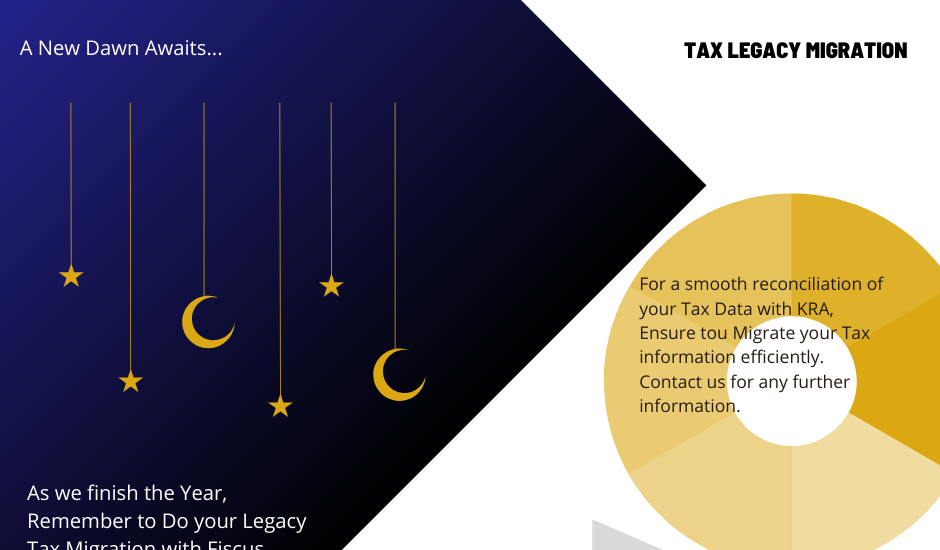
The deadline for the transfer is 31/12/2024, Ensure all your Tax information is correctly transferred, for any misalignment feel free to Contact Us at
The Pre-Migration Era: Manual and Semi-Digital Systems
Before the implementation of modern systems, Kenya’s tax administration heavily relied on manual processes. Taxpayers were required to:
- Manually Fill Returns: Tax returns were filled out using paper forms that needed to be submitted at physical KRA offices.
- Long Queues: Taxpayers often faced long queues to submit their returns or pay taxes.
- High Risk of Errors: Manual entries increased the likelihood of errors, both in taxpayer submissions and data processing by KRA.
- Limited Accessibility: Tax services were centralized in major towns, leaving taxpayers in remote areas underserved.
- Revenue Leakages: The lack of real-time tracking and digital records resulted in loopholes that enabled tax evasion and corruption.
While semi-digital systems were later introduced, they were fragmented and lacked integration. These systems offered limited online functionalities, such as generating Payment Registration Numbers (PRNs), but they still required physical follow-ups.
The Transition to iTax: The Dawn of Digitalization
Recognizing the inefficiencies of legacy systems, the Kenya Revenue Authority launched the iTax platform in 2013. This web-based system aimed to enhance tax compliance by providing seamless online services.
Key Features of iTax:
- E-Filing of Returns: Taxpayers can file their returns online for various tax categories, including PAYE, VAT, and corporate taxes.
- Tax Payments: iTax integrates with banks to allow taxpayers to pay taxes electronically.
- Taxpayer Registration: Individuals and businesses can register for PINs and update their details online.
- Real-Time Tracking: The system provides real-time updates on tax obligations and payments.
- Integrated Services: iTax integrates with other government databases, such as the National Transport and Safety Authority (NTSA) and Registrar of Companies, ensuring data consistency.
Challenges Faced During Migration
The migration from manual systems to iTax was not without hurdles. The following challenges emerged:
- Resistance to Change: Many taxpayers, especially older generations, were accustomed to manual processes and hesitant to adopt digital systems.
- Digital Divide: Limited internet access and low digital literacy in rural areas created barriers to adoption.
- System Downtime: Initial implementation phases saw frequent downtimes, causing frustrations among users.
- Capacity Building: KRA staff and taxpayers needed extensive training to understand and use the new system effectively.
- Data Migration Issues: Transitioning legacy records to the new system posed risks of data inconsistencies and loss.
The Impact of the Migration
The implementation of iTax transformed Kenya’s tax administration landscape in several ways:
- Increased Revenue Collection: Real-time tracking and reduced loopholes led to a significant increase in tax compliance and revenue collection.
- Enhanced Efficiency: The system eliminated the need for physical visits to KRA offices, saving time for both taxpayers and the authority.
- Reduced Corruption: Automation minimized human interaction, reducing opportunities for bribery and fraud.
- Better Analytics: iTax’s data integration capabilities enabled KRA to analyze taxpayer behavior and identify non-compliance trends effectively.
- Improved Accessibility: With 24/7 online access, taxpayers can file returns and make payments at their convenience.
Lessons Learned and Future Outlook
The legacy tax migration system offers valuable lessons for other nations and organizations considering similar transitions:
- Stakeholder Engagement: Early involvement of taxpayers and other stakeholders can ease resistance to change.
- Infrastructure Investment: Addressing the digital divide through investments in internet infrastructure and digital literacy is crucial.
- Phased Implementation: Gradual rollouts allow for testing and refinement, reducing disruptions during transitions.
- Continuous Support: Providing ongoing training and customer support ensures a smooth user experience.
Looking ahead, Kenya aims to build on iTax’s success by integrating emerging technologies like blockchain and artificial intelligence to enhance transparency and predictive analytics.
Conclusion
With the deadline soon approaching at 30/12/2024, Ensure your prior period tax information has been securely transferred and any issues/ misalignments sorted before then.
The legacy tax migration system in Kenya marked a pivotal moment in the country’s journey toward modernized tax administration. While challenges were inevitable, the benefits of transitioning to a digital platform like iTax have been profound, driving increased compliance, efficiency, and transparency. As Kenya continues to innovate its tax systems, the lessons from this migration will serve as a blueprint for future advancements in public administration.